Knife Crack Lasercut Wall Decor SVG: A Design and Production Guide
The intersection of digital design and physical craftsmanship has opened new avenues for home decor enthusiasts and professional makers alike. Among the trending motifs in this space is the Knife Crack Lasercut Wall Decor SVG. This specific design aesthetic mimics the visual impact of a shattered surface or a dramatic fissure, offering a modern, edgy look that contrasts sharply with traditional floral or geometric patterns. For individuals evaluating whether this design aligns with their creative projects or interior design goals, understanding the technical specifications, material considerations, and aesthetic implications is essential.
Understanding the Design Aesthetic
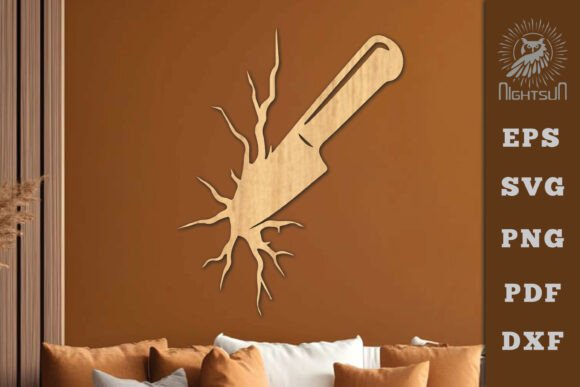
The "knife crack" motif is characterized by sharp, irregular lines that radiate from a central point or traverse a surface in a jagged, organic manner. Unlike symmetrical mandalas or predictable lattice work, this design embraces chaos and asymmetry. It is often used to create shadow play when mounted on walls, as the irregular gaps allow light to filter through in unpredictable patterns. This makes it a compelling choice for contemporary interiors, industrial-style lofts, or spaces aiming for a minimalist yet striking focal point.
When researching a Knife Crack Lasercut Wall Decor SVG, it is important to distinguish between the digital file and the final physical product. The SVG (Scalable Vector Graphics) file serves as the blueprint. It defines the paths that a laser cutter, plasma cutter, or CNC router will follow. The quality of this digital foundation directly impacts the ease of production and the fidelity of the final piece.
Evaluating the File Package and Compatibility
For makers and designers, the versatility of the file formats provided is a critical factor in the decision-making process. A comprehensive package for this type of decor typically includes multiple formats to ensure compatibility with various software and hardware ecosystems. Understanding what each format offers can help determine if the purchase meets your specific workflow needs.
- SVG For Cutting: This is the most universal format for hobbyist and professional cutting machines. It is compatible with popular software such as Cricut Design Space, Silhouette Studio, and Adobe Illustrator. The paths should be clean and closed to ensure the laser or blade cuts correctly without unnecessary nodes.
- AI CS6: Adobe Illustrator files are standard for professional graphic designers. The CS6 version ensures backward compatibility, allowing users with older software versions to access and edit the vector paths. This is ideal for those who wish to modify the crack pattern, adjust line thickness, or integrate the design into a larger composition.
- EPS: Encapsulated PostScript is another widely supported vector format. It is particularly useful for users of CorelDRAW or Inkscape, providing a reliable alternative if AI files are not preferred.
- DXF: Drawing Exchange Format is crucial for users operating industrial-grade laser cutters or CNC machines that rely on CAD software. It preserves precise dimensional data, which is vital for large-scale wall installations where measurement accuracy is paramount.
- High Quality PNG: While not used for cutting, a high-resolution PNG is valuable for previewing the design, creating mockups for client presentations, or using the image in digital marketing materials.
- PDF: Portable Document Format files are useful for viewing the design without specialized vector software. They can also serve as a reference for manual plotting or printing templates for smaller craft projects.
Material Considerations and Production Tradeoffs
Selecting the right material is as important as choosing the right design file. The Knife Crack Lasercut Wall Decor SVG is versatile but behaves differently depending on the substrate. Common materials include plywood, MDF (Medium-Density Fiberboard), acrylic, and metal sheets.
Wood and MDF: These are the most common choices for laser cutting. Wood offers a warm, natural aesthetic that softens the aggressive look of the crack pattern. However, wood grain can affect the cutting consistency, and charring may occur along the edges. MDF provides a uniform surface and paints well, making it suitable for modern, monochromatic looks. The tradeoff is that MDF produces more dust during cutting and lacks the structural integrity of solid wood for very large spans.
Acrylic: Using acrylic creates a sleek, contemporary feel. The transparency allows for layered designs or backlighting effects. However, acrylic requires careful handling to prevent melting or sticking during the laser cutting process. The "crack" design must have sufficient spacing between lines to prevent the material from warping due to heat accumulation.
Metal: For industrial applications, this design can be cut from steel or aluminum using plasma or fiber lasers. This results in a durable, weather-resistant piece suitable for outdoor use. The consideration here is cost and equipment accessibility, as metal cutting requires more robust machinery than wood or acrylic.
Design Complexity and Structural Integrity
One of the primary challenges with intricate designs like the knife crack pattern is maintaining structural integrity. The sharp, jagged lines create numerous thin points and narrow bridges between cut sections. If these elements are too thin, they may break during handling, shipping, or installation.
When evaluating a Knife Crack Lasercut Wall Decor SVG, consider the scale of the final product. A design that looks balanced at 12 inches may appear fragile or overly dense at 48 inches. It is often necessary to adjust the stroke width or simplify certain areas of the vector file before cutting, especially if using brittle materials like acrylic or thin plywood. Users with editing skills can leverage the included AI or EPS files to thicken narrow connections, ensuring the final piece is durable.
Ideal Use Cases and Situational Fit
This design is a strong fit for specific scenarios where visual impact and modern aesthetics are prioritized. It works exceptionally well as a statement piece above a sofa, bed, or console table. The irregular lines draw the eye and can help break up large, empty wall spaces without overwhelming the room with color.
It is also suitable for commercial spaces such as cafes, offices, or retail stores aiming for an edgy, urban vibe. The design’s neutrality allows it to complement various color palettes, from monochrome blacks and whites to warm earth tones.
However, there are situations where alternatives may be worth considering. If the goal is to create a soft, calming atmosphere, such as in a nursery or a traditional bedroom, the aggressive nature of the crack pattern might be discordant. In such cases, organic curves, floral motifs, or softer geometric patterns might better align with the desired emotional tone of the space.
Decision-Making Insights for Buyers and Makers
Before proceeding with a project involving a Knife Crack Lasercut Wall Decor SVG, assess your technical capabilities and end goals. If you are a beginner with a basic desktop laser cutter, start with a smaller scale and forgiving materials like 3mm plywood. This allows you to understand how the design cuts and how to handle the delicate pieces without significant material waste.
For professionals, the value lies in the editability of the files. The inclusion of AI and DXF formats means the design can be customized for specific client dimensions or integrated into complex multi-layered assemblies. Verify that the vector paths are optimized for your specific machine to minimize cutting time and reduce wear on lenses or blades.
Ultimately, the decision to use this design should balance aesthetic preference with practical production constraints. By understanding the file types, material behaviors, and structural considerations, you can determine whether this striking motif aligns with your creative vision and technical resources. Whether for personal home improvement or commercial fabrication, the knife crack design offers a unique blend of modern artistry and technical precision.