Integrating Hello Spring Laser Cut Designs into Your Creative Workflow
In the modern landscape of digital fabrication and DIY crafting, efficiency is just as critical as creativity. Whether you are a small business owner looking to streamline your seasonal product line, an educator preparing classroom decorations, or a hobbyist aiming to elevate your home decor, the foundation of a successful project lies in the quality and compatibility of your digital assets. This is where a resource like Hello Spring Laser Cut becomes an essential component of your design toolkit. It is not merely a file; it is a starting point that bridges the gap between conceptual inspiration and tangible execution.
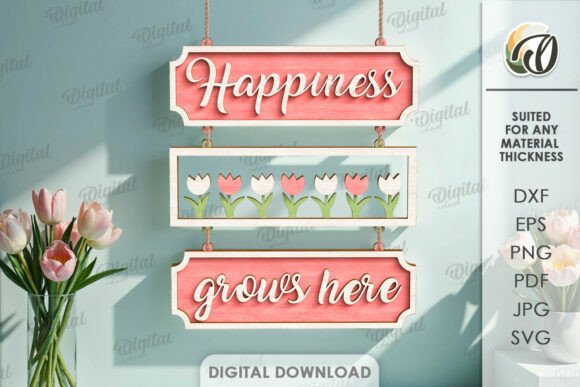
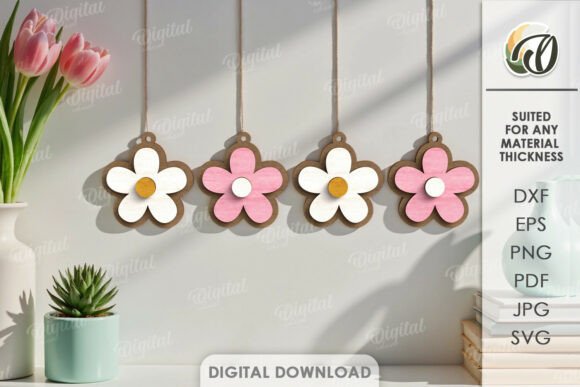
Understanding how to effectively integrate this digital product into your broader workflow can significantly reduce preparation time and enhance the final output. Because this is a digital product—meaning no physical goods are sent, and the photos serve only for inspiration—the value proposition rests entirely on the versatility and technical precision of the included files. A typical purchase includes a zip folder containing one design in multiple formats: SVG, DXF, EPS, PDF, JPEG, and PNG. Each format serves a specific function in the production pipeline, and knowing when to use which file type is key to a smooth operational process.
Pre-Production Planning and File Selection
Before you even power on your laser cutter or vinyl plotter, the planning phase begins with file selection. The inclusion of multiple formats in the Hello Spring Laser Cut package ensures compatibility with a wide array of software and hardware ecosystems. For users operating within vector-based environments like Adobe Illustrator, CorelDRAW, or Inkscape, the EPS and SVG files are the primary assets. These scalable vector graphics allow for infinite resizing without loss of quality, which is crucial if you need to adapt the design for different material sizes or project scales.
For those using CAD software or specific laser control programs that prefer DXF formats, having this option readily available eliminates the need for third-party conversion tools. Conversion often introduces errors, such as broken paths or altered node structures, which can lead to cutting failures or inefficient machine paths. By utilizing the native DXF file provided, you maintain the integrity of the original design, ensuring that every curve and angle is interpreted correctly by your machinery. This step is vital for quality control, particularly when working with intricate details that define the aesthetic appeal of spring-themed decor.
Additionally, the PDF and raster formats (JPEG and PNG) serve distinct purposes in the pre-production phase. The PDF is excellent for quick previews, client approvals, or printing paper prototypes to test scale and layout before committing expensive materials. The raster images are useful for digital marketing, social media previews, or as reference layers in hybrid design projects. By organizing these assets immediately upon download, you create a streamlined repository that supports rapid iteration and decision-making.
Integration with Design Software and Customization
Once the appropriate file is selected, the next stage involves customization and integration into your specific project requirements. The Hello Spring Laser Cut design is intended to be a flexible base for original creation. While the core motif is fixed, its application is limitless. Professionals often layer this design with other elements, such as typography, borders, or complementary graphical assets, to create unique compositions. Because the file is vector-based, editing individual nodes, adjusting line weights, or combining it with other shapes is straightforward in most design platforms.
For educators and bloggers, this flexibility allows for the creation of themed content that aligns with specific branding or educational goals. You might adjust the scale to fit standard cardstock sizes for classroom activities or modify the color profiles in the digital mockup phase to match a specific corporate or personal brand palette. The key here is to treat the downloaded file not as a final product, but as a modular component within a larger creative system. This approach encourages consistency across multiple projects while allowing for variation in execution.
It is also important to consider the technical settings required for your specific machine during this phase. Different materials—whether acrylic, wood, cardboard, or vinyl—require different power, speed, and frequency settings. Having a clean, well-structured vector file from the start allows you to focus on optimizing these machine parameters rather than troubleshooting file errors. This separation of design preparation and machine calibration is a best practice that enhances overall efficiency and reduces material waste.
Execution: From Digital File to Physical Object
The transition from digital to physical is where the practical value of the Hello Spring Laser Cut file is realized. During the cutting or printing process, the clarity of the vector paths directly impacts the finish of the final product. Clean lines result in smoother edges, less post-processing sanding or cleaning, and a more professional appearance. This is particularly important for entrepreneurs selling handmade goods, where perceived quality drives customer satisfaction and repeat business.
When using the design for vinyl cutting, the SVG format is typically preferred due to its widespread support in popular cutting software like Cricut Design Space or Silhouette Studio. The plug-and-play nature of the file means you can import it, set your cut lines, and proceed to production with minimal setup. For laser cutting, the DXF or SVG files allow for precise control over engraving versus cutting layers. You can assign different colors to different parts of the design to instruct the laser to engrave certain details at a lower power while cutting the outline at full power. This level of control is essential for creating multi-dimensional effects and adding depth to your spring-themed decorations.
Moreover, the digital nature of the product allows for immediate scalability. If a project requires a large banner for an office event or small tags for gift packaging, the same file can be used without degradation. This versatility supports a lean inventory model, where a single digital asset can serve multiple purposes across different contexts, reducing the need to purchase or create numerous distinct designs.
Post-Production and Long-Term Utility
After the physical item is created, the workflow extends to finishing, assembly, and distribution. The Hello Spring Laser Cut design, being a seasonal motif, fits naturally into annual cycles of content and product creation. By saving the file in an organized digital library, you ensure that it can be easily retrieved for future use. This long-term utility is a significant advantage for professionals who manage recurring seasonal campaigns. Instead of starting from scratch each year, you can revisit the file, perhaps making minor tweaks to keep it fresh, thereby saving hours of design time.
For bloggers and marketers, the JPEG and PNG files included in the package facilitate quick content creation. High-quality mockups can be generated using these raster images, allowing for timely social media posts or blog updates that capitalize on the spring season. This agility in content production helps maintain audience engagement and relevance without requiring extensive photographic resources or complex staging.
Furthermore, the digital format supports easy sharing and collaboration. If you are working with a team, the files can be distributed instantly, ensuring that everyone is working from the same version of the design. This reduces communication errors and ensures consistency in output, whether the production is happening in-house or outsourced to a manufacturing partner.
Maximizing Value Through Strategic Use
To fully leverage the potential of this digital product, consider integrating it into a broader strategy of asset management. Keep your digital files backed up and categorized by theme, season, and format. When you purchase a Hello Spring Laser Cut file, you are investing in a tool that supports both immediate projects and future initiatives. The endless possibilities of creation mentioned in the product description are realized through thoughtful application and technical proficiency.
Remember that support is available if you encounter issues. Reaching out to the store owner with specific questions about file compatibility or usage rights can clarify any uncertainties and ensure a smooth experience. This direct line of communication adds a layer of reliability to the transaction, reinforcing the trust between creator and user.
In conclusion, the Hello Spring Laser Cut digital package is more than a simple design file; it is a versatile asset that supports efficient, high-quality production across various mediums. By understanding the specific roles of each file format, integrating the design into your existing workflows, and planning for long-term reuse, you can maximize the return on your investment. Whether you are enhancing your home, decorating your office, or building a product line, this resource provides the foundational element needed to bring your spring-inspired visions to life with precision and ease.