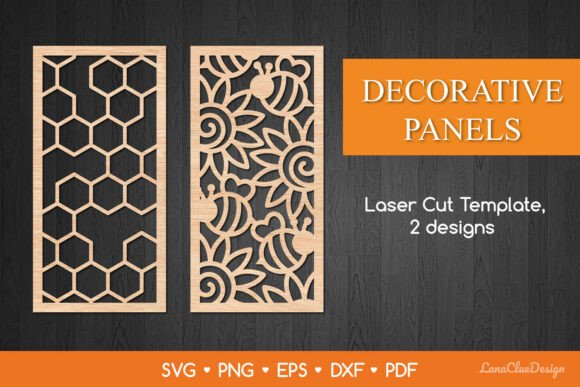
Decorative Panels with Honeycomb and Bee: Transforming Spaces with Nature-Inspired Design
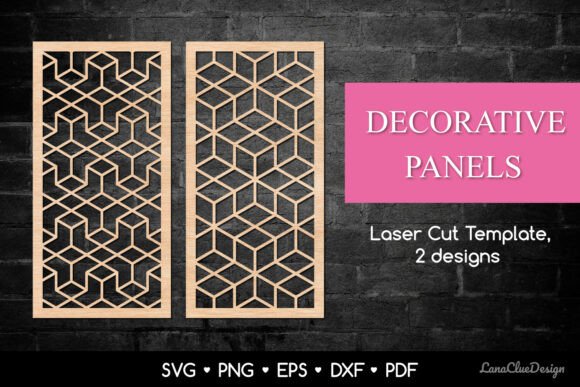
There is a unique satisfaction in watching a flat sheet of material transform into something intricate and alive. Decorative Panels with Honeycomb and Bee designs capture this magic, blending the geometric precision of hexagonal patterns with the organic charm of nature’s most industrious insect. Whether you are a DIY enthusiast looking to personalize your living space or a professional designer seeking versatile assets for client projects, these panels offer a perfect intersection of aesthetics and functionality.
The appeal lies not just in the visual beauty but in the adaptability of the design. By utilizing a ratio of 1:2 between the two included designs, you create a dynamic visual rhythm that prevents monotony. This balance allows the honeycomb structure to provide stability and order, while the bee motifs introduce movement and whimsy. It is a design language that speaks to both modern minimalism and rustic warmth, making it an incredibly flexible choice for various interior and exterior applications.
Beyond Wall Art: Practical Applications in Home Interiors
While many immediately think of wall hangings when they hear "decorative panel," the utility of these laser-cut templates extends far beyond simple decoration. In modern home interiors, privacy and light management are constant challenges. A solid wall blocks light; an open window offers no privacy. Decorative vertical panels with Honeycomb and Bee patterns solve this dilemma elegantly.
Consider using these panels as room dividers in open-plan living areas. When cut from wood or metal, they act as semi-transparent screens that define spaces without closing them off. Imagine placing one between your dining area and living room. The sunlight filters through the hexagonal cutouts, casting playful, shifting shadows on the floor throughout the day. This adds depth and texture to the room, creating an atmosphere that feels curated and intentional rather than cluttered.
For those who enjoy hosting, these panels can serve as striking backdrops for buffet tables or bar areas. The intricate papercut-style aesthetic, when scaled up and cut from durable materials like acrylic or plywood, provides a sophisticated focal point that sparks conversation. It turns a functional piece of furniture into an art installation.
Outdoor Living: Balconies, Terraces, and Garden Privacy
Urban living often means compromising on outdoor space. Balconies and terraces can feel exposed, lacking the seclusion needed to truly relax. Here, the durability of the file formats becomes crucial. Because the templates are compatible with CNC cutting and laser cutting for metal and wood, you can create weather-resistant fence panels that withstand the elements.
Using these designs for balcony railings or terrace fencing offers a dual benefit. First, it breaks the wind, making high-rise balconies more usable on breezy days. Second, it obscures the view from neighbors without blocking the sky. The honeycomb pattern is structurally sound, providing rigidity even when large sections are cut away. When paired with climbing plants like jasmine or ivy, the metal or wooden lattice becomes a living wall, merging industrial precision with natural growth.
It is important to consider the material choice for outdoor use. While paper and vinyl are excellent for indoor prototypes or temporary decorations, powder-coated aluminum or treated hardwoods are essential for long-term exterior installations. The vector files provided in the zip package ensure that regardless of the material thickness, the cut paths remain clean and precise, preventing jagged edges that could compromise the structural integrity or safety of the fence.
The Maker’s Advantage: Versatility Across Materials and Tools
For creators, the value of a digital asset is measured by its flexibility. Receiving a zip file containing SVG, EPS, PDF, PNG, and DXF formats means you are not locked into a single workflow. Each format serves a specific purpose in the fabrication process.
- SVG and DXF: These are the gold standards for laser cutters and CNC routers. They maintain vector precision, ensuring that every curve of the bee’s wing and every angle of the honeycomb is interpreted correctly by the machine.
- EPS: Ideal for graphic designers who may want to incorporate the pattern into larger branding materials or print media before physical production.
- PNG: Useful for quick previews, digital mockups, or for users who might be using plotter cutters that rely on raster images for certain types of vinyl application.
- PDF: Perfect for manual crafting, scaling prints for reference, or sending to clients for approval without requiring specialized software.
This multi-format approach supports a wide range of industries. A wedding planner might use the PNGs to visualize table centerpieces, then use the SVGs to cut acrylic place cards. An architect might use the DXF files to integrate the pattern into a building’s facade design. A hobbyist with a home laser cutter can use the PDF to test scale on cardstock before committing to expensive wood or metal sheets.
Material Matters: Choosing the Right Medium
The aesthetic outcome of your Decorative Panels with Honeycomb and Bee depends heavily on the material you choose. Each medium brings its own character to the design.
Wood: Plywood, MDF, or solid hardwoods bring warmth and texture. Wood panels are excellent for interior privacy screens and wall art. The natural grain contrasts beautifully with the geometric precision of the laser cuts. However, wood requires finishing—sanding, staining, or sealing—to prevent warping, especially in humid environments.
Metal: Steel, aluminum, or brass offers a modern, industrial look. Metal panels are ideal for exterior fencing and high-traffic areas due to their durability. They can be powder-coated in any color, allowing for bold statements or subtle blends with existing architecture. Keep in mind that cutting metal requires more powerful machinery and appropriate safety measures regarding fumes and heat.
Paper and Cardstock: For papercut art enthusiasts, these designs shine in layered compositions. By stacking multiple layers of colored paper, you can create a 3D effect that adds significant depth. This is perfect for framed artwork, lampshades, or greeting cards. The limitation here is fragility; paper is strictly for indoor, low-touch applications.
Vinyl: Vinyl cuts are fantastic for window decals or temporary wall graphics. They allow you to experiment with the layout and scale without permanent commitment. Vinyl is also great for labeling or adding decorative accents to furniture without altering the structure.
Design Considerations and Best Practices
Before sending your file to the cutter, there are practical considerations to ensure a successful project. Scale is paramount. The intricate details of the bee wings and the thin walls of the honeycomb cells need to be proportional to the material thickness. If you are cutting 3mm plywood, ensure the smallest details are not too fine, or they may break during removal. Conversely, if you are cutting thin vinyl, you can afford much finer details.
Kerf, or the width of the cut made by the laser or blade, also affects the final fit if you are assembling multiple panels. Always perform a test cut on a scrap piece of your chosen material. This allows you to adjust power and speed settings to achieve clean edges without charring (in wood) or melting (in plastic).
Another consideration is the structural integrity of the panel. Large sheets with extensive cutouts can become flexible. If you are creating a large room divider, consider adding a frame or mounting the panel onto a rigid backing. The 1:2 ratio of the designs helps distribute the cut areas evenly, but additional support may be necessary for spans wider than a meter.
Finally, think about lighting. The true beauty of these panels is revealed when light passes through them. Plan the orientation of your panel relative to natural or artificial light sources. Backlighting a metal or acrylic panel can create dramatic silhouettes, while front-lighting a wooden panel highlights the texture and depth of the cut.
By understanding the versatility of these Decorative Panels with Honeycomb and Bee, you can move beyond simple decoration to create functional, artistic, and personalized solutions for your space. Whether you are shielding a balcony from prying eyes, dividing a studio apartment, or crafting a unique gift, these templates provide the foundation for endless creativity.