Crafting Personalized Spaces: A Guide to Dreamcatcher Name Sign Laser Cut Files
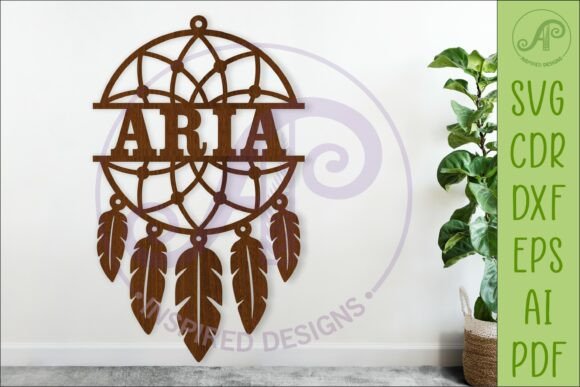
In the realm of modern interior design and personalized crafting, few items capture the essence of bohemian charm quite like the Dreamcatcher Name Sign. This unique piece of wall art merges traditional symbolism with contemporary customization, offering a heartfelt way to decorate nurseries, bedrooms, or living spaces. For makers, hobbyists, and small business owners, accessing high-quality digital assets is the first step toward creating these stunning pieces. Understanding how to utilize SVG laser cut files effectively can transform a simple digital download into a tangible work of art.
The Allure of Boho Personalization
The "boho" or bohemian aesthetic has transcended fleeting trends to become a staple in home decor. Characterized by earthy tones, natural materials, and intricate patterns, this style emphasizes comfort and individuality. At the heart of this trend is the desire for personalization. A generic mass-produced item rarely carries the same emotional weight as a custom-made piece. This is where the Dreamcatcher Name Sign shines. By integrating a specific name into the delicate webbing of a dreamcatcher design, the object becomes more than just decoration; it becomes a statement of identity and care.
For parents, these signs are particularly popular in nurseries. They serve as a gentle reminder of protection and good dreams, concepts rooted in Native American folklore, while adding a modern typographic element. For entrepreneurs, offering such personalized items allows for higher value propositions in online marketplaces. The ability to customize a product instantly appeals to consumers looking for unique gifts that feel specially made for the recipient.
Understanding Digital Downloads for Crafters
Before diving into the technical aspects of cutting, it is crucial to clarify what a digital download entails. When you purchase a design like the Dreamcatcher Name Sign, you are not receiving a physical wooden or metal sign in the mail. Instead, you are buying the intellectual property and the technical files required to create the sign yourself. This model has revolutionized the crafting industry by lowering barriers to entry. You do not need to be a graphic designer to create professional-grade wall art; you simply need the right files and the appropriate machinery.
Upon purchase, you typically receive a zip folder containing various file formats. It is essential to extract these files immediately after downloading. The convenience of instant access means you can start your project within minutes, provided you have the necessary equipment. This immediacy supports rapid prototyping for businesses and satisfies the instant gratification often sought by DIY enthusiasts.
Navigating File Formats: SVG, DXF, AI, and More
One of the most common points of confusion for beginners is the variety of file formats included in a standard laser cut package. Each format serves a specific purpose and is compatible with different software and machines. Understanding these differences ensures a smooth workflow.
- SVG (Scalable Vector Graphics): This is the most versatile format for crafters. It is widely supported by consumer-grade cutting machines like Cricut and Silhouette, as well as many laser cutters. An SVG maintains its quality at any size, ensuring crisp edges regardless of whether you are cutting a small ornament or a large wall sign.
- DXF (Drawing Exchange Format): Primarily used in CAD (Computer-Aided Design) software, DXF files are ideal for users operating industrial CNC routers or specialized laser software that prefers this older, robust standard.
- AI (Adobe Illustrator): If you have access to Adobe Illustrator, the AI file allows for deep editing. You can modify anchor points, adjust curves, or change the design structure before sending it to your machine.
- CDR (CorelDRAW): Similar to AI, this format is for users of CorelDRAW software, which remains popular in certain professional printing and cutting environments.
- PDF: While not always used for direct cutting, PDFs are invaluable for viewing the design, checking scale, and following instructions. In some cases, they can be imported into vector software if other formats are unavailable.
The inclusion of a filled SVG single layer is particularly noteworthy. This format simplifies the cutting process by ensuring that the machine recognizes the design as a continuous path, reducing unnecessary movements and cutting time. Furthermore, designs often come with exterior cut lines marked in blue. This visual cue helps users distinguish between cut lines and engrave lines, preventing errors during the setup phase.
From Screen to Reality: The Cutting Process
Once you have selected the appropriate file for your machine, the next step is preparation. The recommended size for cutting a Dreamcatcher Name Sign typically ranges from 20 to 50 centimeters. The standard file provided is often saved at a height of 29.5cm (approximately 12 inches), which serves as an excellent baseline. However, one of the greatest advantages of vector files is their scalability. You can easily resize the design to fit your specific material dimensions or aesthetic preferences without losing resolution.
When preparing your laser cutter or CNC router, ensure that your material is securely fastened. Common materials for this type of project include plywood, MDF, acrylic, or even thin metal sheets for industrial cutters. The thickness of the material will dictate the power and speed settings on your machine. It is always advisable to perform a test cut on a scrap piece of material to dial in these settings.
For those new to linking names within a design, many digital packages include helpful resources. For instance, a comprehensive download might include a PDF with step-by-step instructions and links to YouTube tutorials. These guides demonstrate how to separate the name elements from the main dreamcatcher structure, allowing for multi-colored designs or layered effects. Watching a video tutorial can clarify complex steps, such as aligning the name perfectly within the web of the dreamcatcher or ensuring that all connecting bridges are thick enough to hold the structure together after cutting.
Practical Applications and Creative Freedom
The versatility of the Dreamcatcher Name Sign extends beyond simple wall hanging. Consider the following creative applications:
- Layered Wood Art: Cut multiple layers of wood in different stains or paints. Assemble them with spacers to create a 3D effect that adds depth and shadow to the name.
- Metal Wall Decor: Using a plasma cutter or fiber laser, cut the design from steel or aluminum. Finish with a clear coat to prevent rust, creating an industrial-boho hybrid look.
- Gift Tags and Ornaments: Scale the design down significantly to create intricate gift tags for weddings or baby showers. The personalization aspect makes these favors memorable for guests.
- Lamp Shades: By cutting the design into a cylindrical shape and adding internal lighting, the intricate cutouts cast beautiful shadows, turning the name sign into a functional light fixture.
It is important to remember that while the digital file provides the blueprint, your choice of materials and finishing techniques defines the final product. Sanding edges, applying sealants, or painting specific letters can elevate a basic cut into a professional-grade decor item.
Common Misunderstandings in Digital Crafting
A frequent misconception among beginners is that all SVG files are created equal. In reality, a well-optimized file for laser cutting differs significantly from one designed for screen display. Laser cut files must have closed paths, appropriate node counts, and clear distinctions between cut and engrave layers. Poorly optimized files can lead to jagged edges, excessive burning, or machine errors. This is why purchasing from reputable designers who provide tested files in multiple formats (such as DXF, AI, and CDR) is crucial for success.
Another assumption is that larger is always better. While a massive sign makes a bold statement, structural integrity becomes a concern as size increases. Thin connections in the dreamcatcher web may break if the sign is too large and handled frequently. Always consider the strength of your chosen material relative to the size of the cut.
Conclusion
The Dreamcatcher Name Sign represents a perfect intersection of tradition, technology, and personal expression. By leveraging high-quality SVG laser cut files, crafters can produce meaningful, customized decor that resonates with modern aesthetics. Whether you are a hobbyist looking to personalize your home or an entrepreneur expanding your product line, understanding the nuances of digital downloads, file formats, and cutting techniques is essential. With the right tools and knowledge, you can transform a simple digital zip folder into a cherished piece of art that brings warmth and identity to any space.